

The Dining Room

One of the few remaining places where ordinary people can still be quietly changed. A well-conceived meal can leave guests more awake, more connected to one another, and more inclined to care for their bodies than any lecture or app. For those drawn to the role of a culinary shaman, practitioners who use food as a precise instrument of elevation, the task is not to perform spirituality but to create conditions in which transformation becomes the natural result of excellent hospitality.
This is a disciplined application of attention, skill, and care so that the act of eating itself becomes evidence that a higher standard of living is both possible and desirable.

Elevation Through Experience
People rarely change because they are told to. They change when they have tasted a superior alternative and felt the difference in their own bodies. The culinary shaman’s primary medium is therefore the meal itself. Food that is genuinely delicious and genuinely nourishing, served in an atmosphere of unhurried presence.
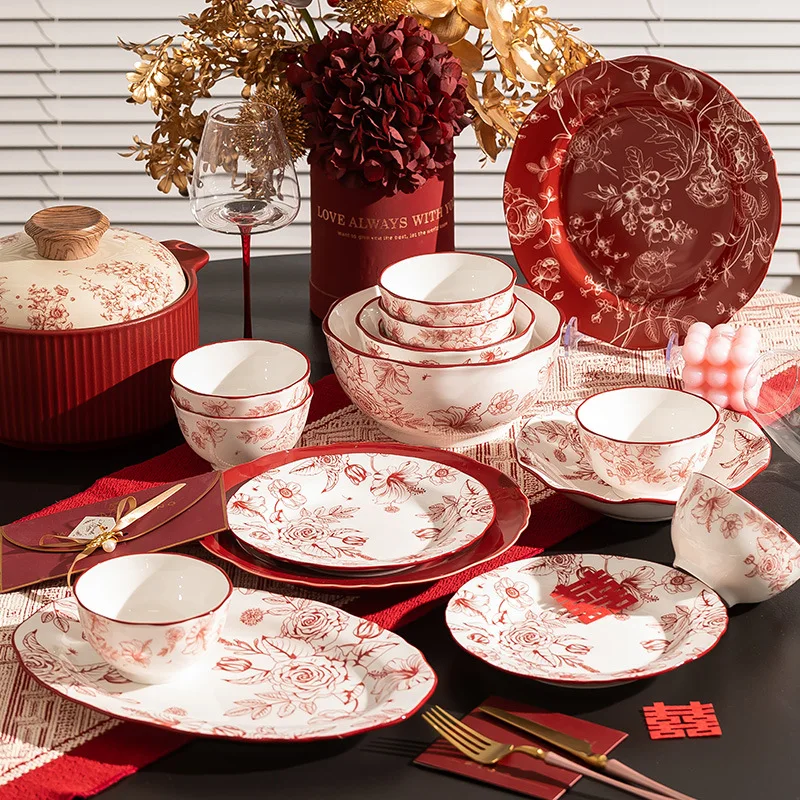
When guests leave a table feeling clearer, more generous, and more capable than when they arrived, the desire to improve their diet and lifestyle arises from within. The host’s role is to design the conditions for that recognition.
Designing The Arc Of The Evening
A transformative meal is structured as a rising arc rather than a series of isolated courses. Begin by establishing a threshold. Soft, warm light, a single beautiful object, and a vibrant non-alcoholic welcome create the sense that ordinary time has paused. The first bites should be bright and cleansing, awakening the palate and the nervous system.

Move next into the heart of the meal. Dishes that are deeply flavorful yet leave the body feeling sustained rather than heavy. Technique matters here. Proper seasoning, balanced acidity, textural contrast, and ingredients chosen for vitality as well as taste. Guests should experience the rare pleasure of food that satisfies desire while simultaneously supporting clarity.
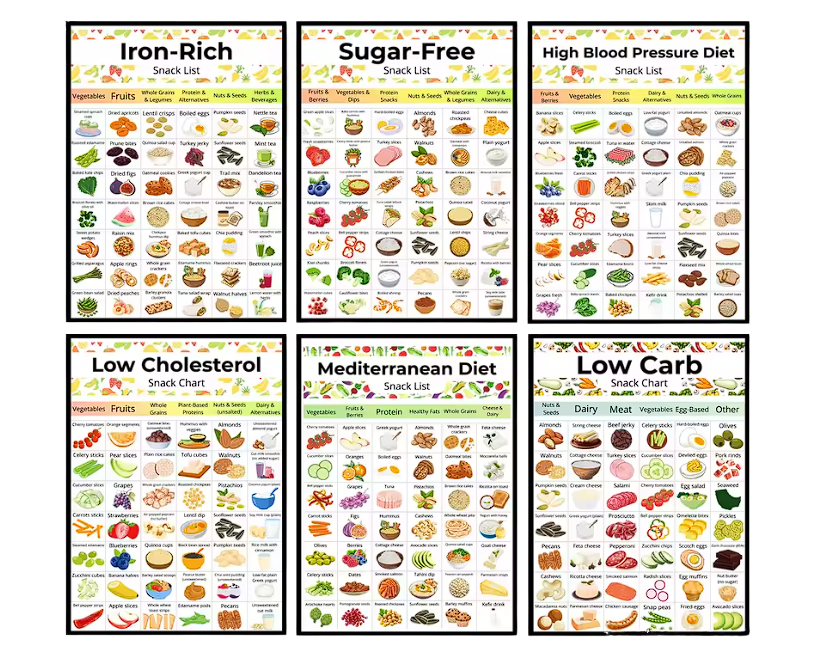
Close with something simple and luminous like a perfect piece of fruit, a carefully prepared infusion, or a small shared bite, followed by a moment of quiet. This natural taper creates completion and leaves a residue of elevation rather than satiation alone.

The Instruments Of Transformation
Radical attention to flavor and effect.
Master the fundamentals of cooking until the food itself becomes the primary teacher. When a dish tastes better than what people usually eat and leaves them feeling better afterward, the argument for change is already won. Source with integrity and prepare with precision. Name ingredients and methods briefly and concretely so that care becomes visible without becoming a sermon.
Orchestrated presence.
Model the state you wish to evoke. Taste deliberately. Move without rush. Invite, but never demand, a short interval of silence at the beginning of the main course. Many guests will later describe this as the first time in weeks they fully noticed what they were eating. That single experience often shifts habits more effectively than any recommendation.
Connection without performance.
Thoughtful seating and a few precise, concrete questions (“What have you eaten lately that left you feeling genuinely good?”) open genuine conversation. Shared enjoyment around excellent food creates belonging. People leave feeling more human more capable of treating themselves and others with greater care.
Portable insight.
Offer a single recipe or technique that guests can realistically reproduce. The goal is not dependence on the host but the transfer of capacity. When someone can recreate even one element of the meal at home, the elevation continues beyond the evening.
Environment As Silent Partner

Control the sensory field with restraint. Warm light, minimal or intentional sound, clean lines, and uncluttered surfaces communicate that beauty and ordinary life are compatible. Temperature, pacing, and the absence of distraction allow attention to settle on the food and the people. The environment should feel elevated yet livable with proof that a higher standard does not require extraordinary circumstances.
The Measure Of Mastery
Success is not measured by how moved guests claim to be in the moment, but by what they do in the days that follow. Do they cook with greater attention? Do they choose ingredients more carefully? Do they treat their own energy and the people around them with more respect? These are the quiet signs that the meal has done its work.
The culinary shaman who masters this craft understands a simple principle that the most persuasive spiritual experience is often the one that never announces itself as spiritual. It simply leaves people more alive, more connected, and more convinced that better is possible. The kitchen and the dining room, approached with skill and intention, remain the most reliable places on earth to make that conviction real.