The One Tool Every Culinary Shaman Must Master
If you are stepping onto the path of the culinary shaman: Cooking with intention, presence, and a deeper sense of nourishment, you will eventually discover that most of what you need is already in a basic kitchen. One item, however, stands apart as both indispensable and revelatory: A sharp, well-maintained chef’s knife.
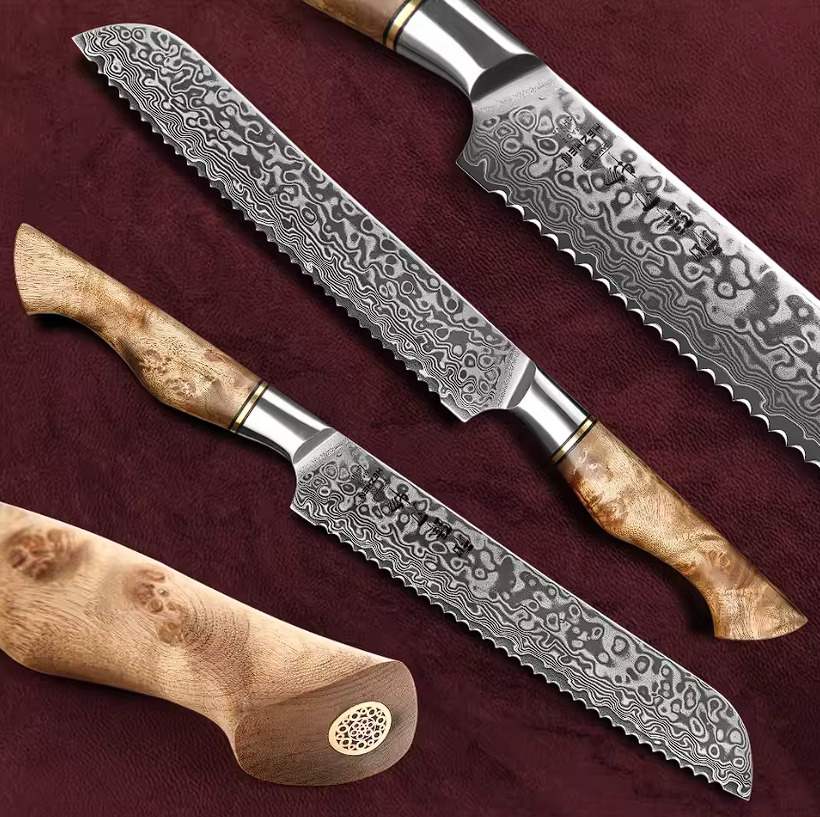
Not a decorative ritual blade. Not a special set of crystals or an ornate cauldron. A practical, high-quality chef’s knife that fits your hand and that you treat with care. For new culinary shamans, mastering this single tool unlocks far more than better technique. It becomes the primary gateway into the practice itself.
A culinary shaman works at the intersection of the physical and the intentional. Ingredients are not merely fuel; they carry properties, histories, and the capacity to support healing, clarity, connection, or vitality. The knife is where that work begins in the most concrete way.
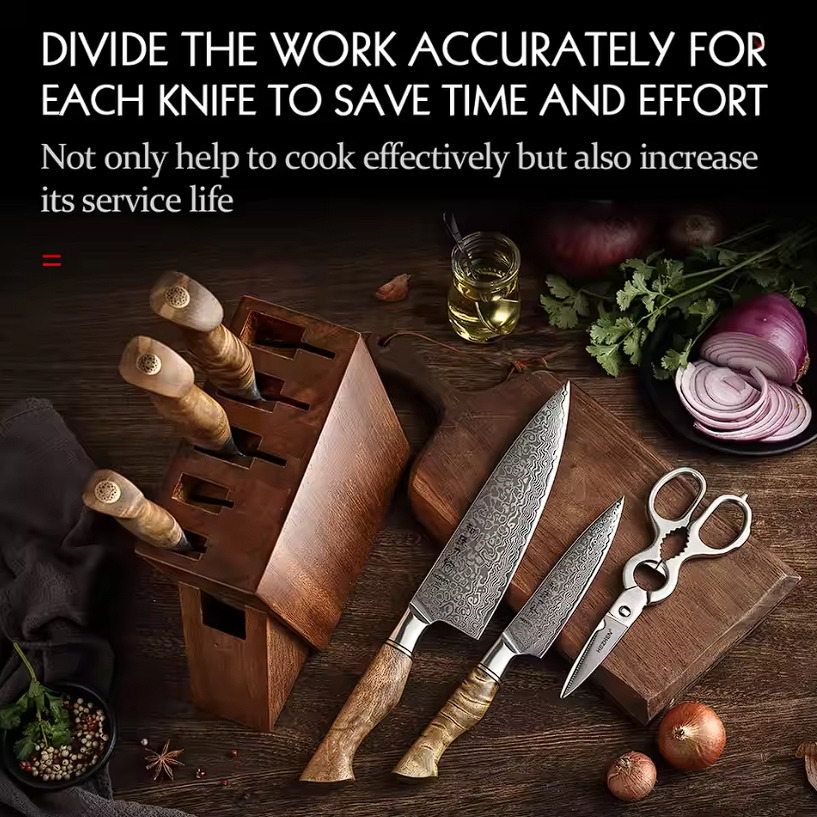
Almost every meaningful preparation starts with cutting. You separate, release aromas, change the form of what the earth provided, and begin the alchemical process of turning raw matter into something that can nourish body and spirit. A dull or poorly controlled knife fights you. A sharp one cooperates. It demands attention, rewards precision, and makes the difference between rushed chopping and deliberate engagement immediately obvious.
This is not symbolism layered on top of cooking. It is the practical reality of the craft. Presence is not optional when the blade is sharp. You feel the resistance of a carrot, hear the clean separation of an onion, and notice the oils and scents released. That sensory feedback is one of the simplest and most reliable ways to move from mechanical preparation into conscious cooking.
Five Reasons The Chef’s Knife Is At The Center Of The Practice.
1. It Enforces Presence More Ruthlessly Than Any Other Kitchen Act
A dull knife invites distraction. A sharp chef’s knife demands attention. The moment the edge meets the board, the mind is required to arrive. There is no room for half-presence when the blade is moving. This is not metaphor; it is mechanics. The culinary shaman quickly learns that the quality of the cut is a direct reflection of the quality of attention. When the knife is treated as a mindfulness bell rather than a mere utensil, every session of chopping becomes a moving meditation. Presence is no longer something practiced elsewhere and then brought into the kitchen. It is generated by the work itself.
2. It Is The Actual Site Of Alchemy
Ingredients remain potential until the knife acts. A whole onion is one thing; a precisely diced mirepoix is another. The transformation is not symbolic. Cellular structure is broken, aromatic compounds are released, surface area is increased, and the path to digestibility and flavor is opened. The culinary shaman understands that the knife is where the raw world is invited into the human body. Every cut is a negotiation between the integrity of the ingredient and the intention of the cook. When this act is performed with awareness, the food that results carries more than nutrition. It carries the quality of the relationship that created it.
3. The Edge Teaches Precision As A Spiritual Discipline
A chef’s knife does not reward vague effort. Its geometry, edge angle, distal taper, balance, responds immediately to the user’s clarity or lack of it. Inconsistent pressure, poor alignment, or distracted force produce bruised herbs, torn vegetables, and uneven results. The culinary shaman learns that precision is not perfectionism; it is respect. The edge becomes a teacher of clean intention. Over time, the hand learns to move with less force and more accuracy. This economy of movement begins to appear in other areas of life. The knife trains the practitioner to do only what is necessary, with full attention, and then to stop.
4. Daily Care Of The Blade Is A Living Ritual Of Respect
A culinary shaman does not wait until a knife is dull to care for it. Honing, cleaning, drying, and occasional sharpening become small daily ceremonies. These acts keep the instrument in right relationship with its work. The practice reveals a deeper principle: tools that are neglected become burdens; tools that are tended become extensions of awareness. Many new culinary shamans discover that the few minutes spent maintaining the knife are among the most clarifying parts of their day. The blade that is respected cuts cleanly. The intention that is tended does the same.
5. It Reconnects Us To The Ancient Role Of The Healer-Chef
Across cultures, the person who prepared food with skill and intention was often regarded as a healer. The knife was central to that role, not as a weapon, but as the instrument that made medicine edible. When a modern culinary shaman picks up a chef’s knife with awareness, they step into that lineage. The act of cutting becomes an offering. The food that leaves the board is no longer simply prepared; it is mediated. This is why the knife feels different once the practice deepens. It is no longer only metal and handle. It is the point where personal intention meets the living world and returns something nourishing.
Which Knife Is Suitable For This Work?

You do not need the most expensive knife available. You need one that is:
- Sharp enough to cut cleanly with minimal force
- Comfortable in your hand for the duration of real cooking sessions
- Easy to maintain (honing and occasional sharpening should feel straightforward rather than intimidating)
- Balanced so that it feels like an extension of your arm rather than a tool you fight
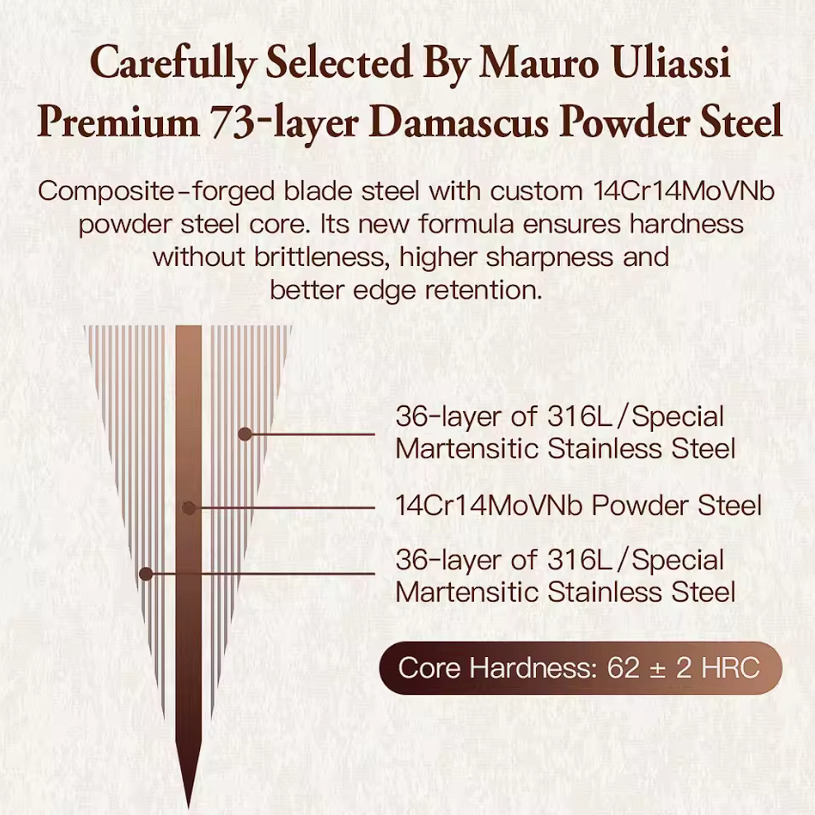
Western-style chef’s knives (typically 8 inches) and Japanese-style gyutos or santokus are both excellent. The “right” one is the one you will actually use and care for. Many new culinary shamans begin with a solid mid-range knife and upgrade later once they understand their own preferences. What matters most is that the edge is keen and that you develop a relationship with it through regular use.
Turning The Knife Into Part Of The Practice
For emerging culinary shamans, the knife becomes a training ground for the larger work of intentional cooking. A few simple approaches integrate it immediately:
Before the first cut, pause with the knife in hand. Set a clear, simple intention for the meal—grounding, vitality, ease, gratitude, or healing for a specific person. This takes only a few seconds and shifts the quality of attention.
Work at a pace that allows you to notice. Feel the texture of each ingredient. Listen to the sound of the cut. Smell what is released. These sensory details are not distractions from the “real” work; they are the real work. They train the same quality of presence that later shows up when you stir, season, or serve.
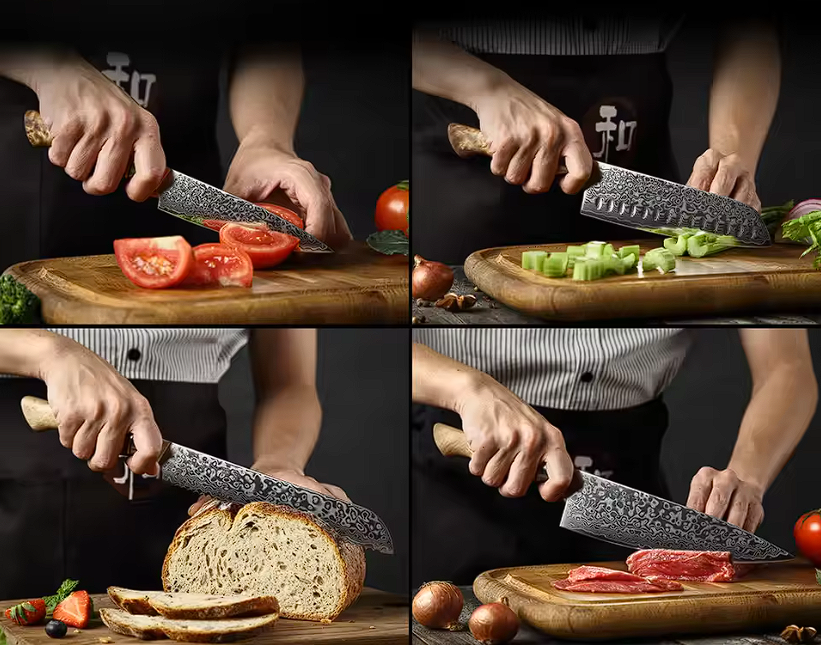
Maintain the knife as part of the practice rather than an afterthought. Wiping the blade, drying it immediately, honing it, and occasionally sharpening it become small rituals of respect. A neglected knife is both less safe and less effective. A cared-for knife reflects the same care you are learning to bring to ingredients and to the people who will eat what you prepare.
Supporting Tools And Why The Knife Still Comes First
A wooden spoon for stirring intention, a mortar and pestle for herbs, a simple notebook for recording what you observe about ingredients and outcomes, and good salt are all valuable. None of them, however, is as foundational as the knife. You can improvise stirring and grinding. You cannot easily improvise the primary act of preparing real food with awareness.
Many people interested in culinary shamanism or intentional cooking already own a knife. The revealing step is treating it as the central instrument rather than a background utensil. When you do, ordinary preparation sessions become opportunities to practice the core skills of the path: attention, respect for materials, and the deliberate direction of intention through physical action.
Beginning Where You Are
If you are new to this approach, start with the knife you already have, provided it can be made sharp. Learn basic safe technique if you have not already. Then, for one week, bring a moment of deliberate intention to the first cut of each meal you prepare. Notice what changes in your experience of cooking and, if you pay attention, in the meals themselves.
The culinary shaman’s path is not primarily about acquiring special objects. It is about bringing greater consciousness to the ordinary acts of feeding ourselves and others. The chef’s knife happens to be the tool that makes that consciousness both necessary and rewarding from the very first moment you pick it up.
Master the knife, and you have already claimed the essential instrument of the craft. Everything else: spoons, herbs, rituals of gratitude, deeper study of ingredients as medicine, builds naturally from the quality of attention the blade requires. For the new culinary shaman, that is the most useful place to begin. Learn the feel of a well-balanced chef’s knife in your hand. Practice the pinch grip until it becomes second nature. Notice what happens to your mind when the edge is truly sharp. The transformation you seek in the food will first appear in the one who holds the blade.
The culinary shaman’s work is not to dominate ingredients, but to meet them cleanly. The chef’s knife, more than any other tool, makes that meeting possible.