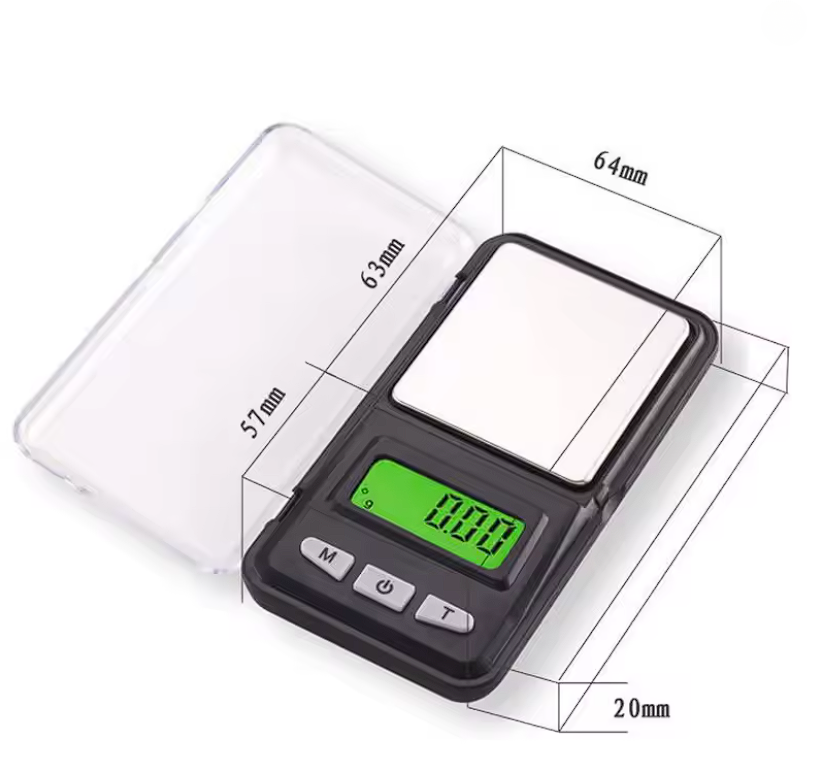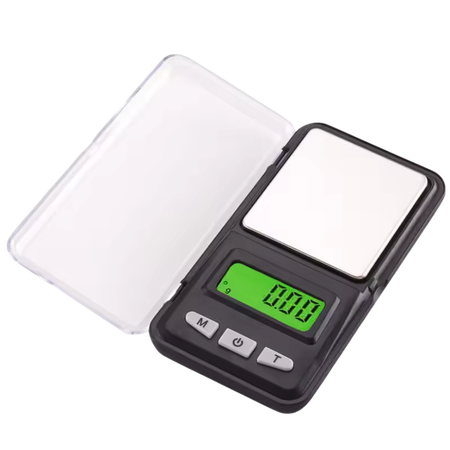
High-precision digital kitchen scales (0.01 g or 0.1 g accuracy) are compact electronic balances designed for fine measurement of small quantities.
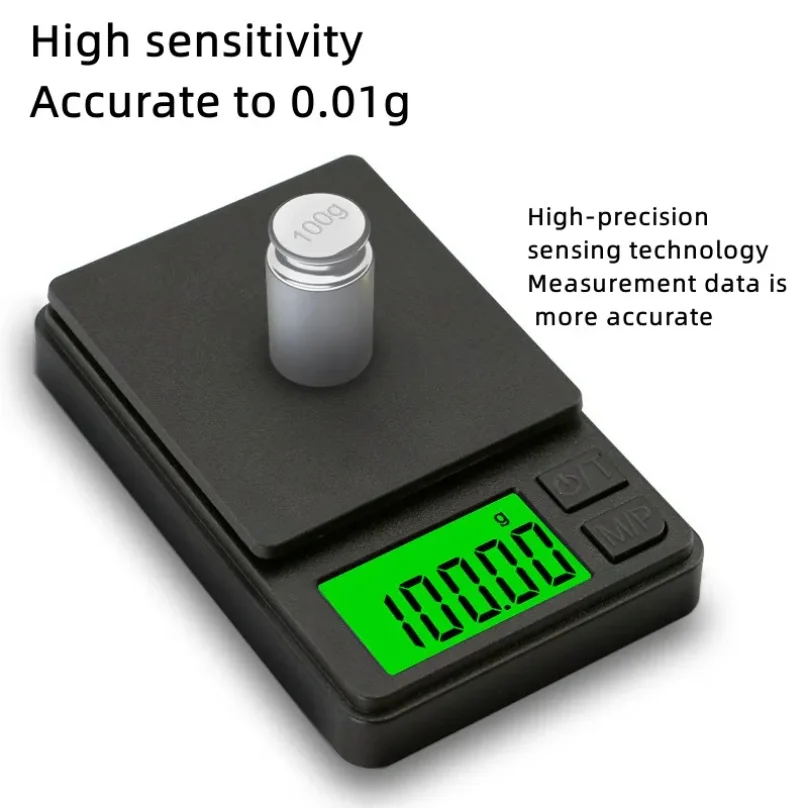
Unlike ordinary kitchen scales that typically read in 1 g increments, these models resolve to 0.1 g (one-tenth of a gram) or 0.01 g (one-hundredth of a gram). They commonly feature a stainless-steel platform, a clear digital LCD (often backlit), a tare function that zeros out the weight of a container, multiple unit options (grams, ounces, etc.), auto-off, and overload protection. Capacities usually range from about 200–1000 g for the highest-resolution (0.01 g) versions and up to several kilograms for 0.1 g models. Power is typically from AAA batteries or USB rechargeable packs. These scales are widely used for spices, herbs, coffee dosing, baking additives (yeast, salt), supplements, jewelry, and small-batch formulation.
They turn measurement from an approximation into a repeatable number, which matters when the difference between 0.5 g and 0.7 g of a potent ingredient changes the character of a blend or preparation.
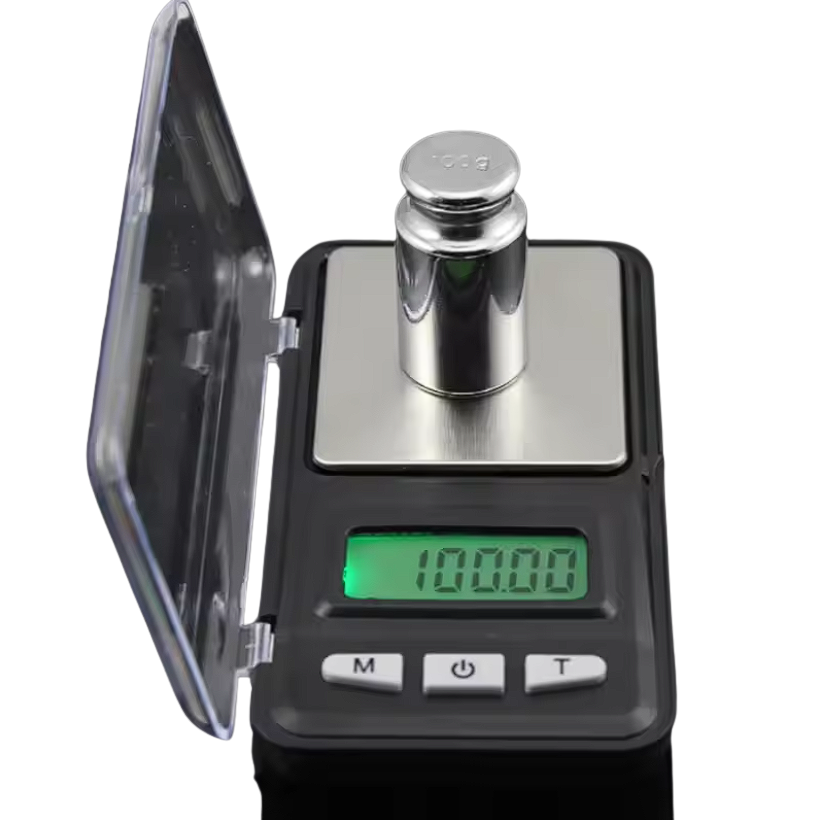
A High-Precision Digital Scale Is One Of The Most Specialized And Useful Tools For A Medicinally Inclined Culinary Shaman’s Work
In traditions where plants are prepared as both food and medicine, quantity is not incidental. The strength of an herb, the balance of a spice blend, or the consistency of a restorative formula depends on how much of each material is used. A high-precision digital scale (especially one reading to 0.01 g or 0.1 g) is specialized because it makes that quantity knowable and repeatable at the exact scale at which many potent ingredients are employed.
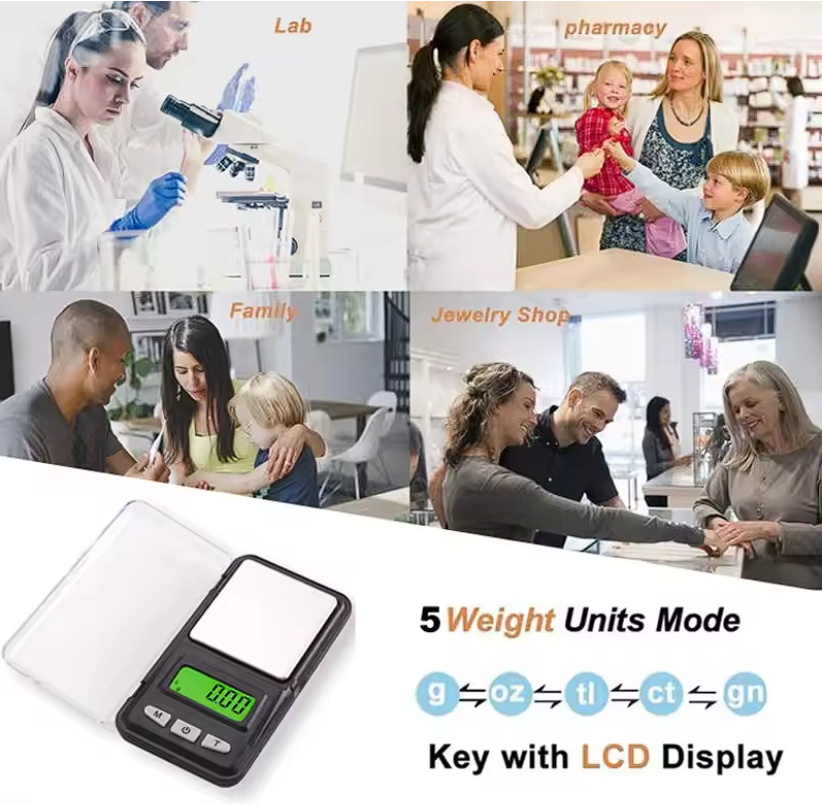
Volume measures fail with dried herbs, roots, seeds, and powders. Density varies with grind, moisture, and packing; a “teaspoon” of one batch of a botanical can easily weigh half or twice as much as the next. Weight does not. When a practitioner is working with materials whose effect changes with small differences, aromatic spices, bitter roots, concentrated resins, or carefully balanced culinary-medicinal blends, 0.1 g or 0.01 g resolution supplies the resolution that ordinary spoons and coarser scales cannot. The same instrument lets the cook or herbalist record exact ratios, recreate a successful preparation months later, or adjust a formula with controlled increments rather than guesswork.
The tool is also specialized in its relationship to the rest of the practice. After herbs have been ground in a mortar and pestle or prepared for decoction, the scale allows precise portioning into the vessel or into individual doses. It supports both the culinary side (consistent seasoning, controlled salt or yeast, repeatable spice mixes) and the medicinal side (accurate compounding of small formulas, tracking of potent ingredients, documentation of what was actually used). Because many high-precision scales include a reliable tare function, a practitioner can place a small bowl or paper on the platform, zero it, and weigh only the material itself, cleanly, quickly, and without contamination of larger kitchen tools.
As a kitchen must-have, its value extends beyond specialized work. Everyday cooking improves when salt, spices, leaveners, and expensive aromatics can be measured rather than estimated. Coffee and tea become more consistent. Baking becomes less variable. The scale is small, requires no special installation, and lasts for years with basic care. Once present, it tends to be used constantly because the alternative, scooping and hoping, is revealed as imprecise by comparison. For anyone who works with whole spices, fresh or dried herbs, or small quantities of ingredients whose character is strong, the difference is noticeable in both flavor and repeatability.
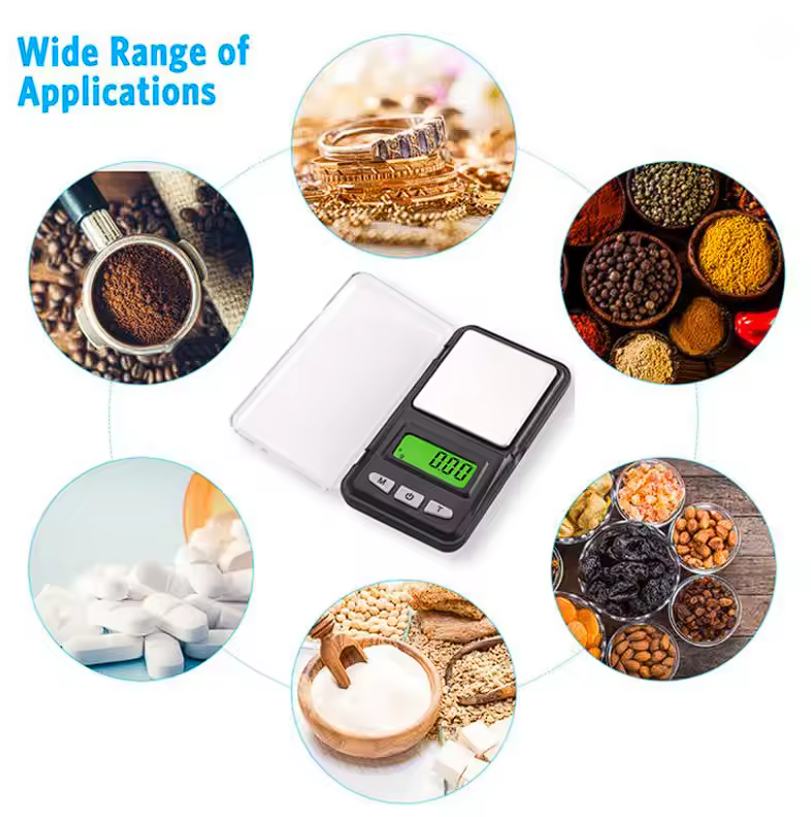
In short, a high-precision digital kitchen scale is specialized because it restores quantitative control at the gram and sub-gram level where many traditional and culinary-medicinal preparations actually operate. It is useful because that control produces more consistent results, clearer records, and greater confidence in the transformation of plant material into food or medicine. For the culinary shaman, it is the instrument that turns intention into measurable reality; for any serious kitchen, it is simply the difference between approximating and knowing.