
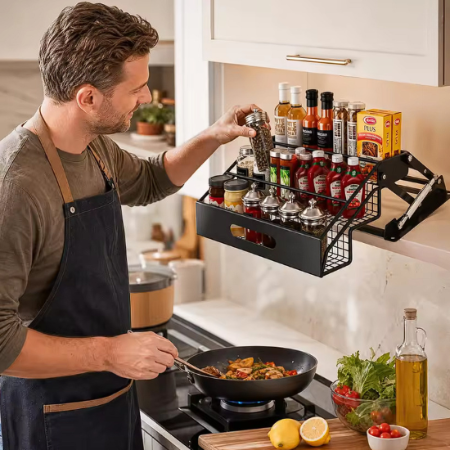
The Kitchen Apothecary
There is a quiet but decisive difference between a kitchen that merely feeds a household and a kitchen that steadies it. The first supplies calories. The second supplies coherence, better energy, calmer digestion, more resilient moods, and the daily experience of being well cared for. The person who maintains that second kind of kitchen is what we can call a kitchen apothecary: a cook who treats the pantry as a working pharmacy of plants and who understands how to turn those plants into meals people actually want to eat.
This is not an exotic role. It is the natural next step for anyone who already cooks for others and who has begun to notice that food does more than fill. With a thoughtfully stocked pantry and the knowledge to use what is in it, the kitchen apothecary becomes one of the most practical forms of household care available. It is, for many families, a must-have reality rather than a luxury.
The Sanctuary And The Skill
For the cook, the kitchen apothecary is first a sanctuary. It is the place where attention can be fully occupied by something tangible and useful. Chopping, seasoning, tasting, and adjusting are not interruptions; they are the practice. The work is physical, sensory, and finite. At the end of it there is a meal that leaves people better than it found them. In a culture that often fragments attention, this repeated return to a clear task with a clear result is itself restorative.
The skill required is twofold. There is the ordinary craft of cooking, building flavor, managing texture, timing, and presentation so that the food is genuinely desirable. There is also the quieter knowledge of how certain plants and preparations reliably support the body: which roots and seeds steady blood sugar, which bitter greens and fermented elements aid digestion, which herbs and spices modulate inflammation or calm the nervous system, which mineral-rich ingredients replenish what modern eating often depletes. The kitchen apothecary holds both forms of knowledge at once. The result is food that tastes like care and functions like support.
A Well-Stocked Pantry Works As A Pharmacy
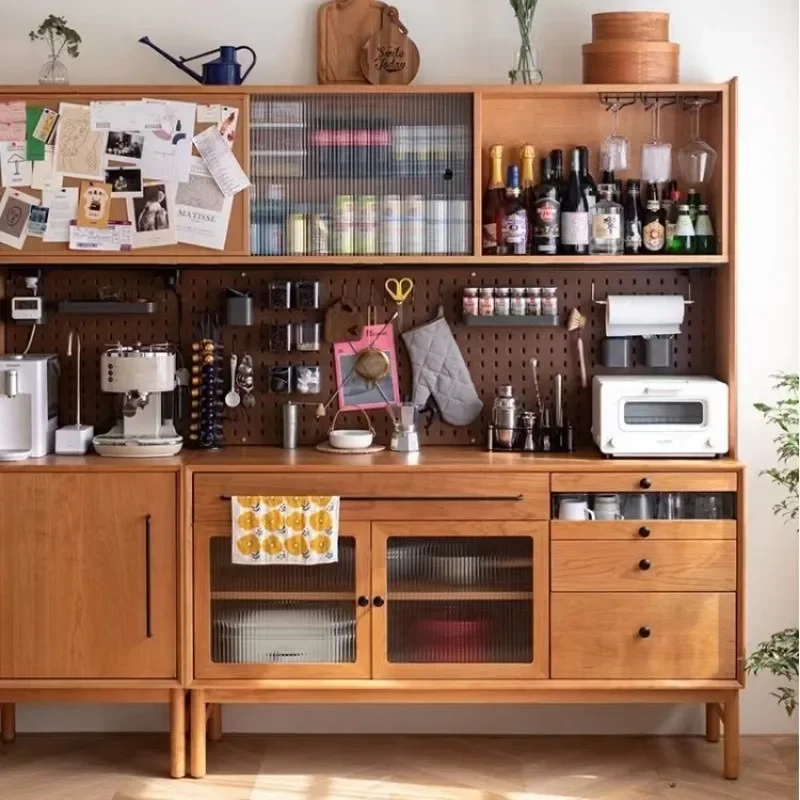
The physical foundation is a pantry organized not merely by category but by function. Dried herbs and spices sit beside understanding of their traditional and observed effects. Quality oils, vinegars, fermented foods, whole grains, legumes, nuts, seeds, and a rotation of fresh aromatics and vegetables become the daily materia medica. Nothing needs to be rare or expensive. What matters is that the cook knows why each item is present and how it can be used in ordinary meals.

With this foundation, everyday cooking changes character. A pot of beans is no longer only protein; it can be paired with the aromatics and acids that make it easier to digest and more satisfying. A simple roast can carry the spices that support circulation or calm. A weeknight soup can be built to steady energy through the afternoon rather than produce a crash. The same skills that make food delicious become the skills that make it useful. Guests and family members rarely need an explanation. They register the difference in how they feel after eating and in how willingly they return to the table.

This Expertise Matters Now
Modern life reliably separates eating from attention and pleasure from benefit. Meals are often rushed, solitary, or optimized for convenience at the expense of both flavor and function. The kitchen apothecary reverses that separation without requiring anyone to adopt a rigid system. It simply restores the older recognition that the person who cooks can also be the person who knows how to use food as ongoing support.
The effects compound. Children grow up tasting food that is both enjoyable and stabilizing, and they absorb, almost by osmosis, the idea that care can be delicious. Adults notice fewer afternoon slumps, steadier digestion, and a greater willingness to gather. The cook experiences the kitchen less as a site of labor and more as a place of competent agency. Over time the household develops a shared standard: meals are expected to leave people clearer, not merely full.
An Invitation
None of this requires certification or a complete reinvention of one’s cooking. It begins with curiosity about a handful of reliable ingredients, the willingness to taste carefully, and the habit of noticing what actually changes in energy, digestion, or mood. A well-chosen pantry and the knowledge to use it turn an ordinary kitchen into a working sanctuary and the person who cooks into someone whose daily work quietly raises the baseline of the household.

That combination, sanctuary for the cook, practical medicine for everyone else, is what makes the kitchen apothecary valuable. It is not an identity to perform. It is a competence worth developing, because the results appear on the plate and in the bodies of the people who eat from it. For anyone who already feeds others, it is one of the most direct ways to make that feeding count for more.

The expertise is learnable. The pantry can be built gradually. The sanctuary is available every time the stove is lit. What changes is the precision of attention brought to both.

(Plant-Based Pro)