
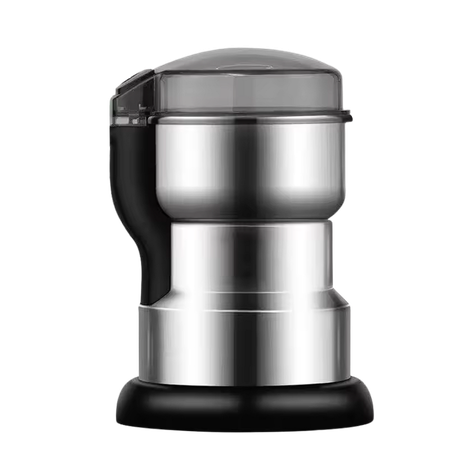
Dried Coffee Beans, Spices, Herbs, Seeds, Nuts, Cereals, And Grains Hold Back Aromas!
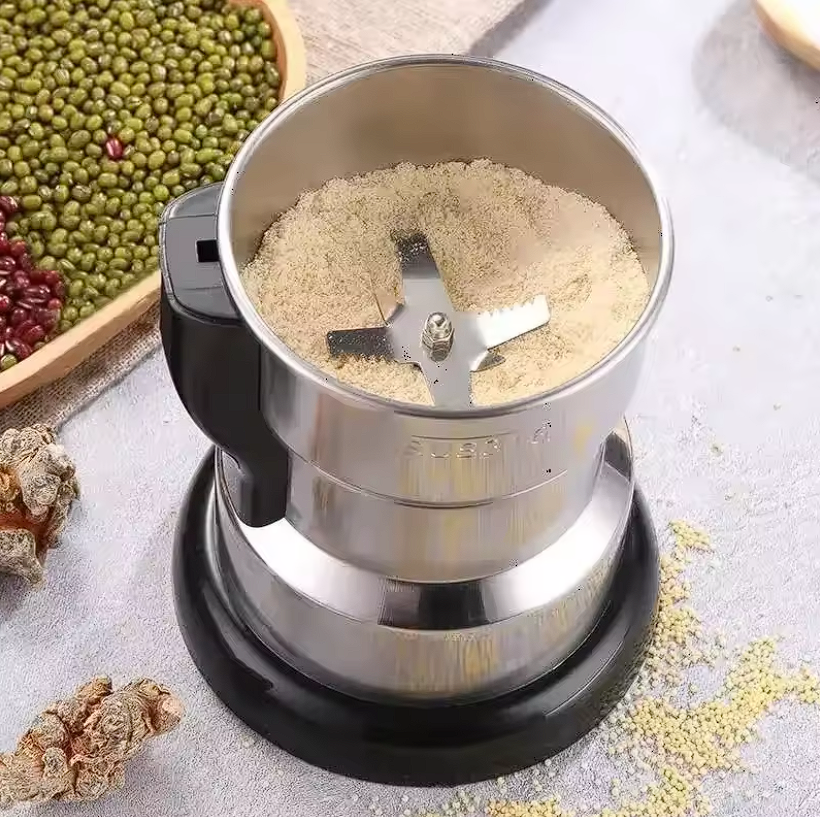
A compact countertop blade grinder powered by a 400-watt motor processes these dry ingredients, converting whole, hard, or fibrous goods into usable, highly aromatic powders or coarse grinds quickly and in small batches.

Typical features include stainless-steel blades (often four), a chamber capacity in the 50–200 g range, a transparent lid for monitoring progress, and simple one-touch or press-lid operation. Grind fineness is controlled by how long the motor runs short pulses for coarse results, longer runs for finer powder. Safety interlocks prevent operation unless the lid is properly seated, and the design is usually easy to clean with a brush or wipe. The unit is intended for dry materials only and delivers results in seconds.
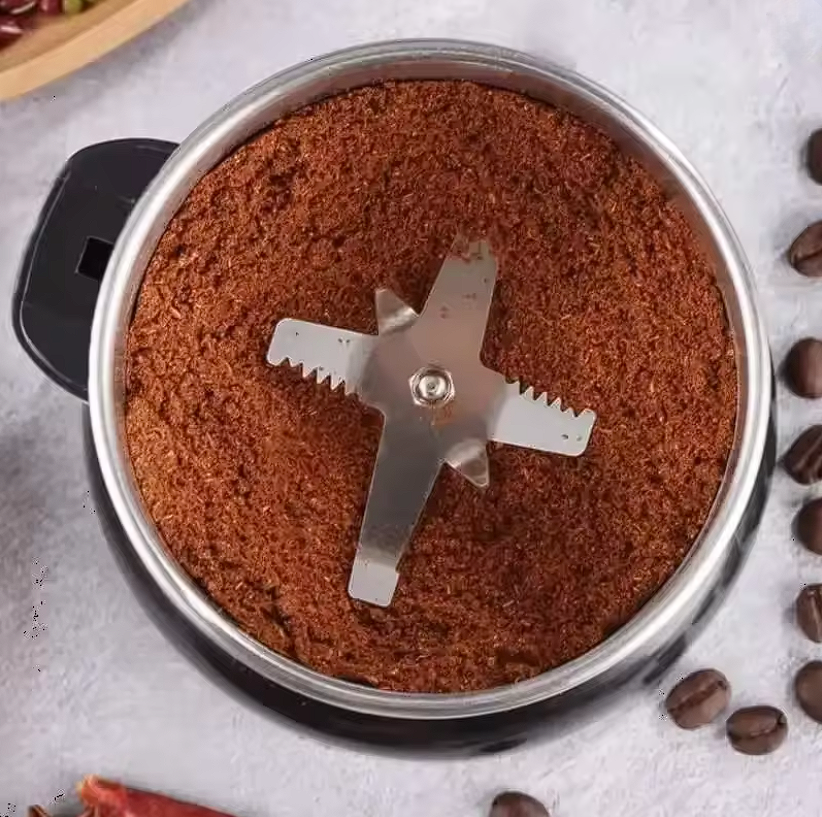
This Grinder Serves A Kitchen Apothecary Well
A kitchen apothecary transforms plants, seeds, and grains into forms ready for cooking or medicine. The 400W electric grinder specializes in that transformation by delivering speed and consistency that manual methods rarely match for routine work. Whole spices, dried herbs, seeds, and small nuts often arrive intact. The grinder reduces them to powder or a controlled coarse texture in seconds, releasing aromatic oils and increasing surface area so flavor and constituents extract more readily in soups, teas, pastes, or decoctions. Practitioners pulse briefly for coarser material suited to infusions or longer for fine powder destined for blends and precise measurement.
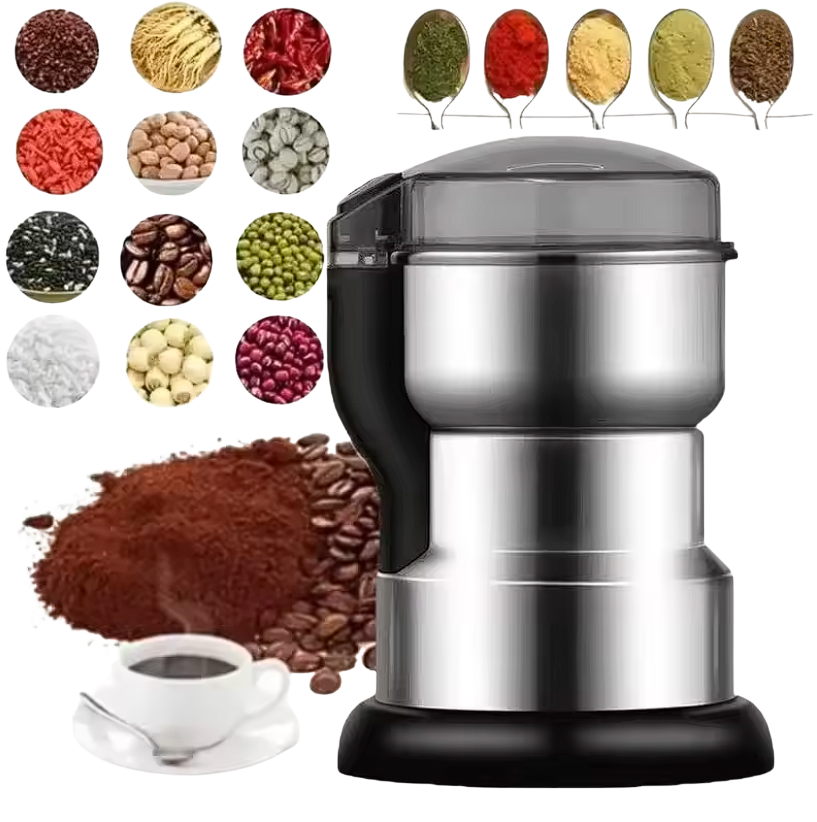
The tool fits the scale of apothecary work. Most batches are modest, enough for a day’s spice mix, a small quantity of powdered herb for capsules or topical use, or a fresh grind of seeds for a restorative porridge. The chamber size matches that need without forcing large runs that generate excess heat or waste. Duration control lets the user stop at the exact texture required rather than accepting a single factory setting. Stainless-steel blades and chamber resist corrosion and clean relatively easily between different materials, reducing cross-contamination when switching from culinary spices to medicinal herbs.
In the sequence of preparation, the grinder occupies a practical middle position. After herbs or spices have been dried in a dehydrator, the grinder converts them into powder. That powder can then be weighed on a precision scale for accurate formulas. It complements a mortar and pestle: the stone tool remains ideal for small, deliberate pastes or highly aromatic compounds where heat must be minimized, while the electric grinder handles volume and tougher items efficiently. For coffee beans or grain flours used in medicinal or everyday foods, it supplies fresh grounds without a separate appliance.
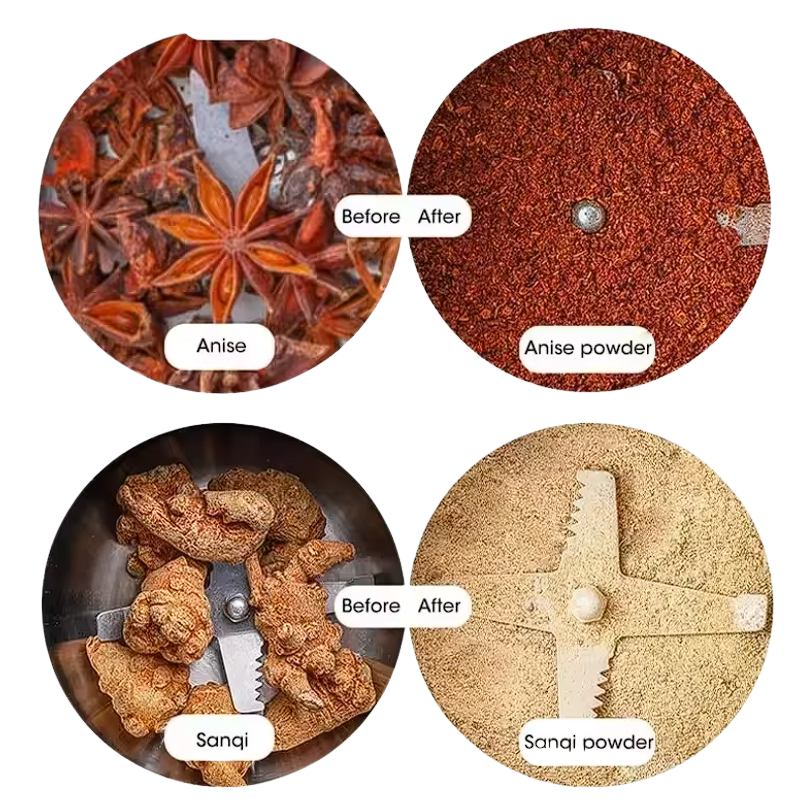
Limitations exist and matter in specialized work. High-speed blades generate some heat, which can volatilize delicate oils if runs are prolonged; short pulses and cool-down pauses mitigate this. The machine is unsuitable for moist, oily, or very hard materials that risk clogging or damage. When those constraints are respected, however, the grinder becomes a reliable station in the apothecary: it turns stored whole materials into active, measurable form on demand.
As a kitchen tool it reduces dependence on pre-ground, oxidized commercial powders and keeps preparation times short. For the practitioner who moves between fresh grinding, precise weighing, slow cooking, and long-term storage, the 400W multifunctional grinder supplies the missing speed and control that keep the workflow coherent. It is specialized because it targets the exact materials and batch sizes of culinary-medicinal preparation; it is useful because that targeting produces consistent, fresh results with minimal effort.