The Kitchen As A Sanctuary
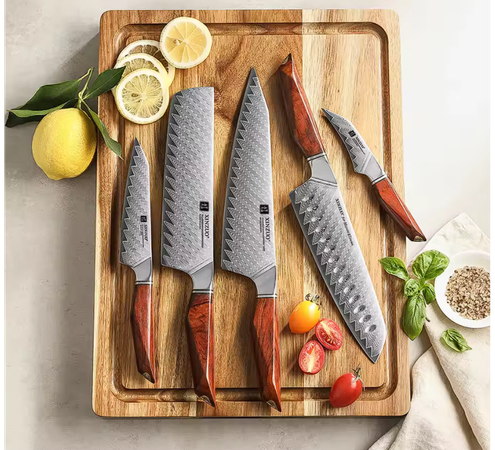
There is a particular stillness that settles over a kitchen when someone who truly loves to cook is at work. The knife moves with rhythm rather than haste. The aromas rise not merely as byproducts but as invitations. The person at the stove is not simply assembling ingredients; they are conducting a transformation. Most of us who cook for pleasure already know this feeling. What few of us fully claim is that this capacity can be deepened into something older and more consequential: the role of the culinary shaman.
The first shaman were, in many traditions, also the first chefs. They stood between the human community and the living world, mediating nourishment, healing, and meaning through the preparation of food. Today that role is available again, not as costume or fantasy, but as a serious practice for anyone already devoted to the craft of cooking. The reasons are both practical and profound. If you already love the process, the question is no longer whether the role exists. It is whether you are willing to step into it fully.
It Takes Willing
1. Food Becomes Medicine Once More
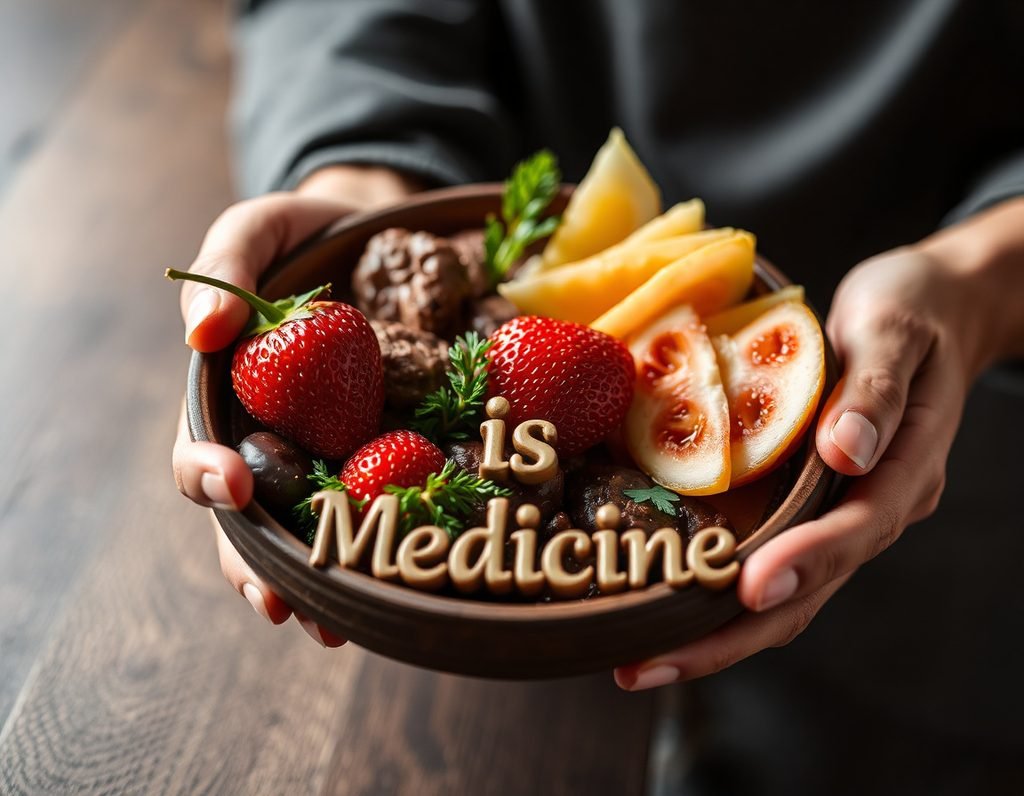
Modern nutrition has taught us to count. Culinary shamanism asks us to listen. Ingredients carry properties that extend beyond their macronutrient profiles, warming or cooling effects, grounding or clarifying influences, the capacity to soothe or vitalize. When a cook selects and prepares them with awareness of these qualities and with a clear intention for the eater, the meal shifts from fuel to active support.
Cardiologist and chef Michael Fenster has written about this as the “Total Food Experience,” in which the pleasure of well-prepared food and its physiological effects are not separate domains. Research even suggests that intention itself is not merely psychological. Studies conducted by the Institute of Noetic Sciences found that participants who consumed chocolate or tea that had been intentionally “blessed” reported significantly improved mood compared with those who received identical but untreated samples.
The difference was measurable. For the person who already cares enough about cooking to seek better technique and better ingredients, this is not an added burden. It is the logical extension of the care they already practice.
2. Everyday Cooking Becomes A Transformative Ritual
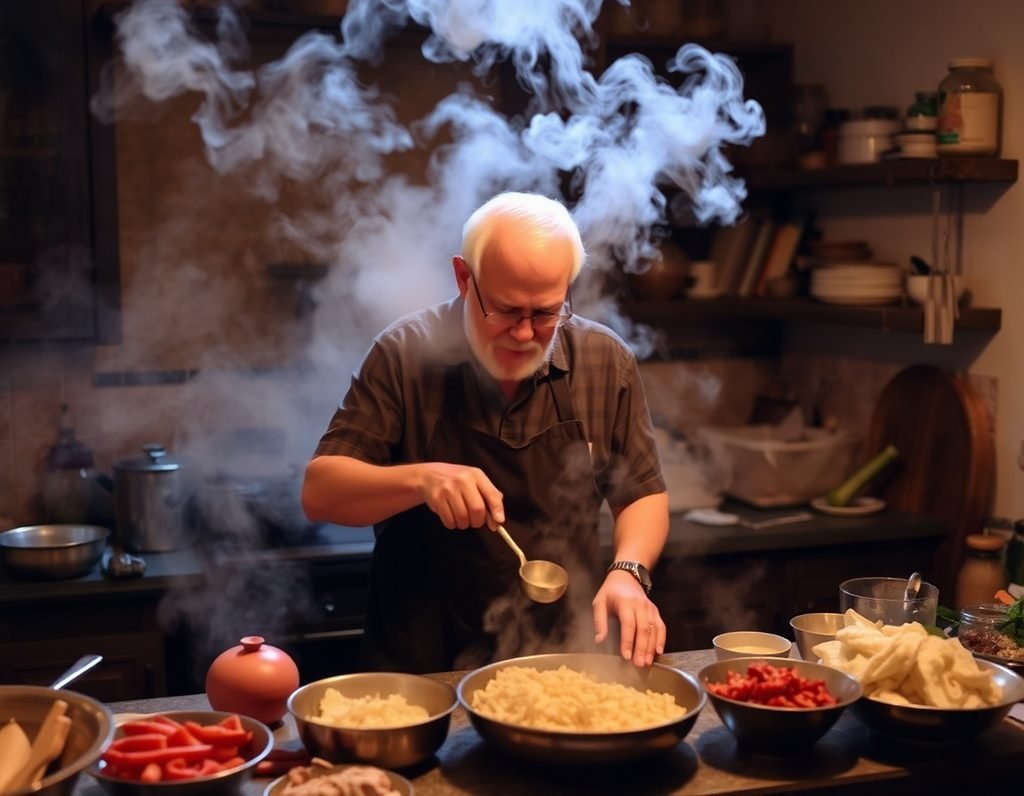
The acts of chopping, seasoning, and stirring can be performed as moving meditation. Practitioners who treat the kitchen as sacred space begin by grounding themselves, offering gratitude to the plants, animals, and farmers involved, and working with a specific intention, healing, clarity, gratitude, or simple presence. The same onion that is hurried through on a weeknight can be cut with attention that both calms the cook’s nervous system and, according to those who practice this way, subtly alters the quality of what is served.
Mindful cooking has been linked to measurable improvements in positive emotion and a sense of flourishing. More immediately, the practice itself trains presence. Those who already lose themselves happily in the rhythm of cooking possess the essential skill. The shamanic dimension simply asks them to remain conscious of the deeper effects of that absorption.
3. It Reconnects Us To The Living World And To Ancestral Knowledge
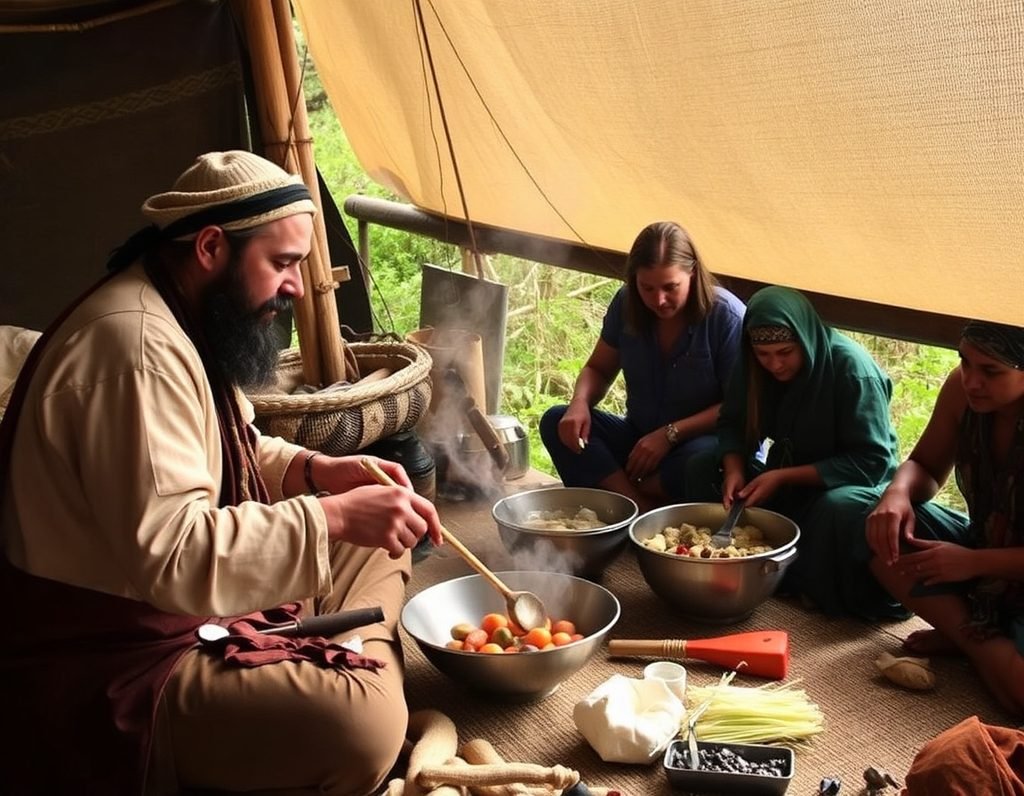
Industrial food systems treat ingredients as interchangeable units. Culinary shamanism treats them as participants in a relationship. Knowing where something grew, how it was raised or harvested, and the cultural meanings it has carried is not nostalgia; it is ecological and cultural literacy. Recipes and techniques encode generations of observation about place, season, and the human body. When cooks approach their work with this awareness, they keep that knowledge alive rather than allowing it to collapse into commodity.
People who love to cook are already collectors of technique and story. Becoming a culinary shaman means letting those collections serve something larger than personal pleasure or professional reputation. It means treating the ingredients themselves with the respect once reserved for teachers.
4. It Offers A Concrete Alternative To Ultra-Processed Disconnection
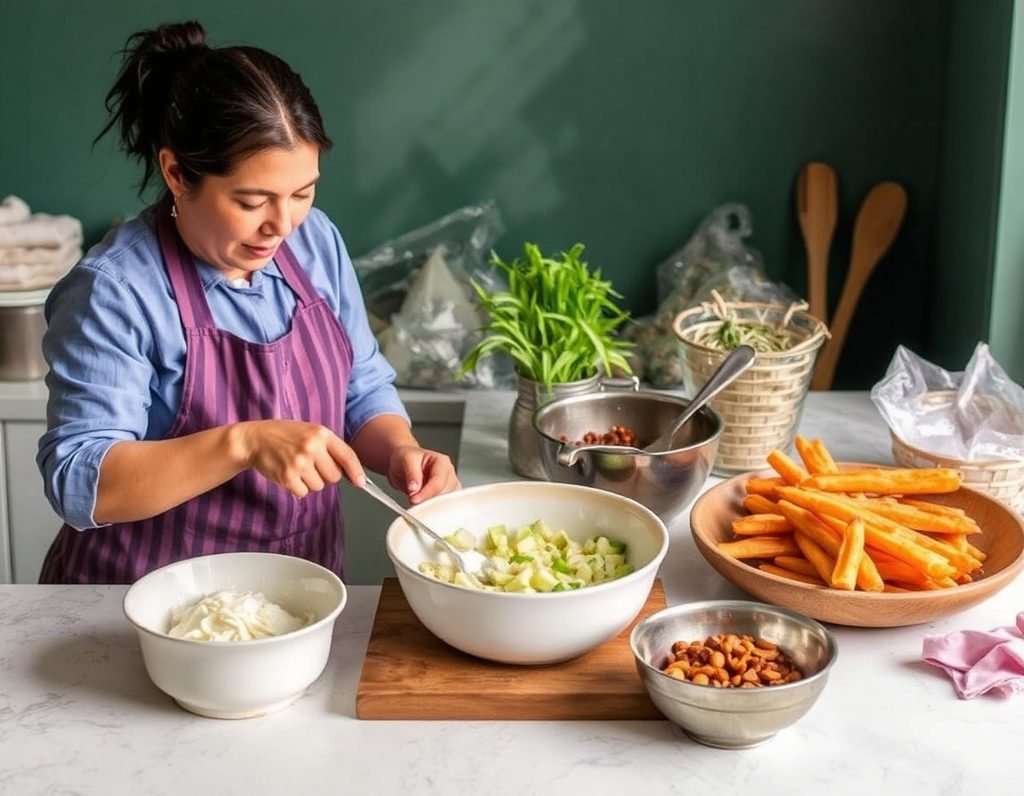
The modern diet is dominated by foods engineered for shelf life, consistency, and hyper-palatability. These products are associated with rising rates of chronic illness and with a flattening of sensory life. Culinary shaman prioritize real, minimally processed ingredients prepared with attention, not because such food is morally superior, but because it restores both physiological coherence and ordinary delight. The shared, intentional meal helped shape human sociality. It can still do so.
Those who already refuse the worst of convenience cooking are halfway there. The remaining step is to recognize that the quality of attention they bring to real food is itself a form of public health and cultural repair.
5. Shared Meals Become Acts Of Community Healing
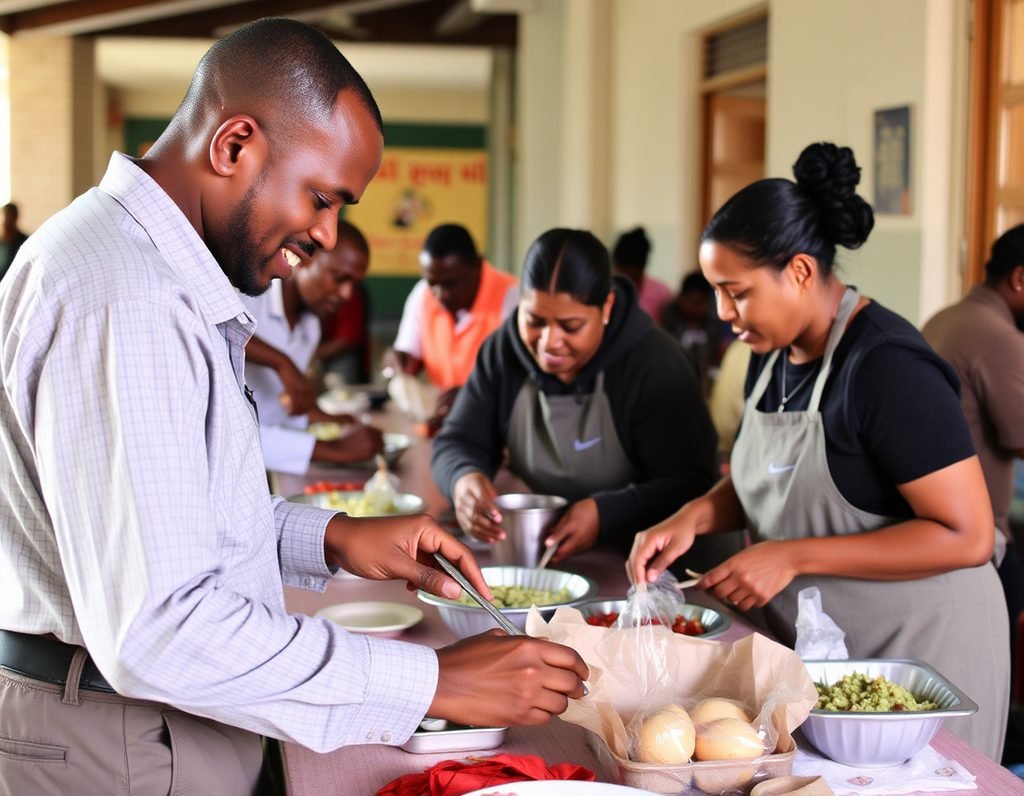
Cooking for others is already an expression of care. When that cooking is performed with conscious intention, the meal becomes a small ceremony capable of binding people, transmitting culture, and offering emotional as well as physical nourishment. In societies marked by isolation, the table remains one of the few reliable places where presence and mutual support can still occur. Culinary shaman amplify this capacity simply by treating the act of feeding as relational medicine.
If you have ever watched a tense room soften around a carefully prepared dish, or seen a guest’s face change when they taste something made with genuine attention, you have already witnessed the effect. The practice asks only that you take it seriously.
Do You Have What It Takes?
The qualities required are not exotic. They include a genuine love of the process itself rather than only of the finished plate; a willingness to remain present even when the work is repetitive; curiosity about the deeper dimensions of ingredients and of the people who will eat them; respect for the living systems that produce food; and a desire to serve that extends beyond the immediate satisfaction of cooking well.
None of these traits demand special lineage or formal initiation. They are already present, in varying degrees, in most people who love to cook. The question is whether you are willing to cultivate them deliberately. Begin with one meal. Clear a little space. Thank the ingredients. Cook with full attention. Notice what changes, in the food, in you, and in those who share it.
The world does not need more people who can follow recipes. It needs more people who understand that the kitchen can still be a place where healing, connection, and ordinary magic occur. If that possibility moves you, you already have what it takes to begin. The rest is practice.